Falcon Guide: A Comprehensive Overview (Updated 02/18/2026)
Birding’s accessibility, requiring minimal equipment and adaptable locations, mirrors the growing appeal of falconry experiences – a unique and captivating outdoor pursuit.
What is a Falcon Guide?
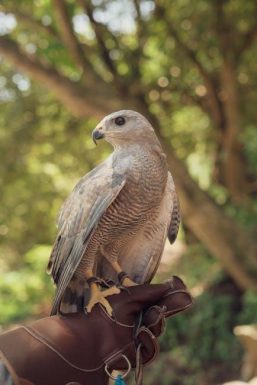
A Falcon Guide is a trained professional specializing in the art of falconry, offering curated experiences that connect individuals with these magnificent birds of prey. Unlike traditional hunting focused falconry, guiding prioritizes education, conservation, and ethical interaction.
These guides possess extensive knowledge of falcon behavior, training techniques, and ecological roles. They facilitate controlled flying demonstrations, allowing participants to witness the falcon’s incredible speed and agility firsthand. A key aspect involves teaching responsible handling and understanding the bird’s welfare.
Essentially, a Falcon Guide bridges the gap between the ancient tradition of falconry and modern appreciation for wildlife, fostering a deeper connection with the natural world.
The History of Falconry & Guiding
Falconry, originating over 4,000 years ago in Mesopotamia, was initially a hunting method for nobility, symbolizing status and skill. Its spread across cultures – from ancient Egypt and Greece to medieval Europe and Japan – shaped regional traditions.
The evolution towards modern “guiding” is more recent, emerging as falconry transitioned from solely a hunting pursuit to a conservation-focused activity. The accessibility of birding, mirroring falconry’s adaptable nature, fueled this shift.
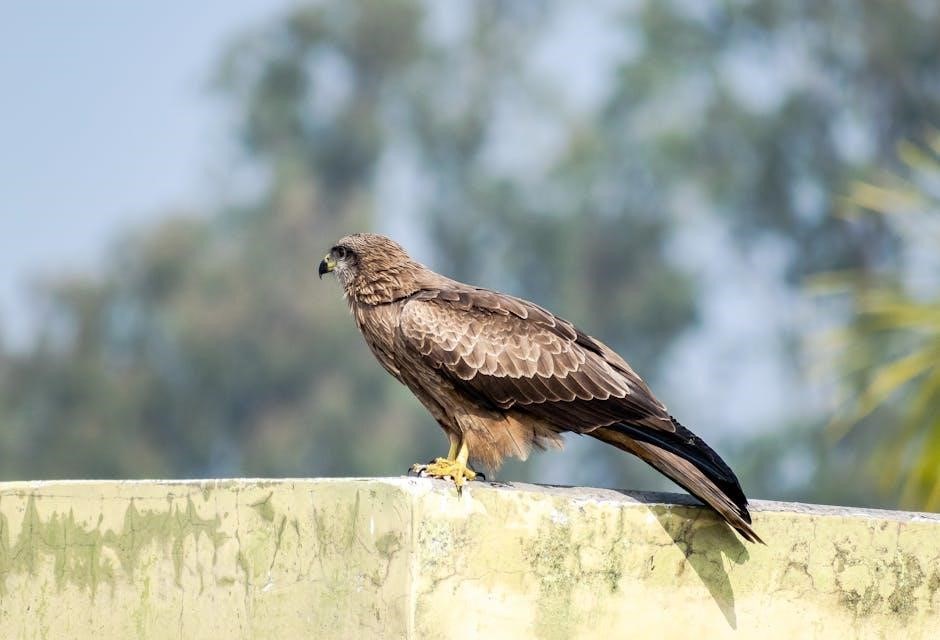
Today’s Falcon Guides represent a blend of ancient practice and contemporary ethics, offering educational experiences that celebrate these birds and their historical significance.
Types of Falcons Commonly Used in Guiding
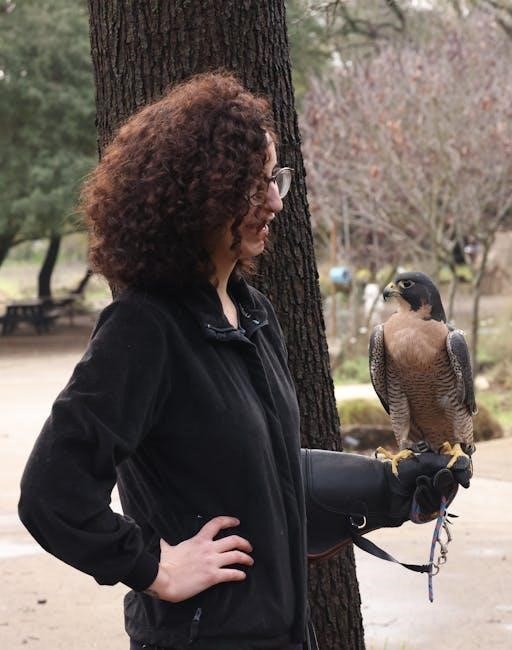
Selecting the right falcon for guiding hinges on temperament, trainability, and the intended experience. While several species are employed, three stand out for their suitability. The Peregrine, renowned for its incredible speed, offers a dynamic display.
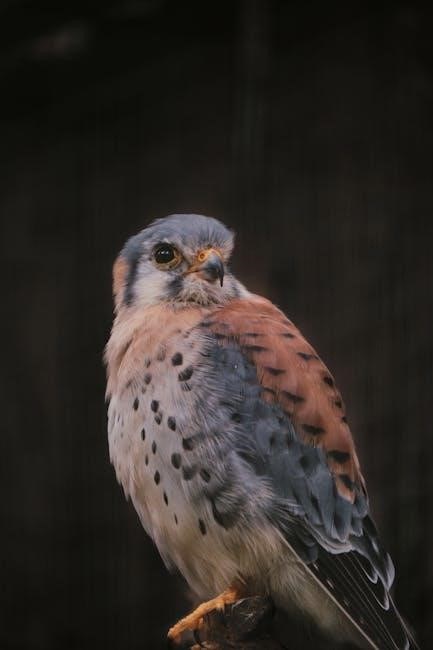
Prairie Falcons, adaptable and versatile, excel in varied terrains. Merlins, though smaller, possess remarkable agility and hunting prowess.
Like choosing a location for birding – accessibility and unique features matter – selecting a falcon species is crucial for a successful and enriching guiding experience.
Peregrine Falcon – The Speed Demon
The Peregrine Falcon, famed as the fastest animal on Earth, delivers an unparalleled spectacle in falconry. Reaching speeds exceeding 200 mph during dives, or “stoops,” it embodies raw power and precision.
Its hunting style, a breathtaking aerial pursuit, captivates observers. Guiding with a Peregrine requires experienced handlers due to its strong instincts and demanding nature.
Similar to witnessing a rare bird sighting, the Peregrine’s performance is a thrilling highlight, making it a premier choice for those seeking an adrenaline-fueled falconry adventure.
Prairie Falcon – Adaptable and Versatile
The Prairie Falcon stands out as a remarkably adaptable and versatile raptor, making it a favored choice for falconry guiding in diverse terrains. Unlike specialized hunters, it thrives in open grasslands, deserts, and even mountainous regions.
This adaptability extends to its hunting techniques, employing both high-speed dives and patient soaring to locate prey.
For falconry enthusiasts, much like birders seeking varied species, the Prairie Falcon offers a dynamic experience, showcasing resilience and skill in a range of environments.
Merlin – Small but Mighty
Despite its diminutive size, the Merlin is a powerhouse of energy and agility, earning its reputation as “small but mighty” within the falconry world. This compact falcon excels at pursuing smaller birds in flight, demonstrating incredible speed and maneuverability.
Its adaptability, similar to a birder’s pursuit of diverse species, allows it to thrive in varied habitats, from open country to woodlands.
For guiding, the Merlin offers a thrilling spectacle, showcasing precision hunting skills and a captivating aerial display, proving size isn’t everything.
Essential Equipment for Falcon Guiding
Successful falcon guiding hinges on specialized equipment, ensuring both the falcon’s welfare and the safety of participants. Just as birding requires binoculars, falconry demands precision tools.
These include intricately crafted leather equipment – jesses, swivels, leashes, and braces – designed for secure yet comfortable handling. The hood, crucial for maintaining calm, protects the falcon’s vision during rest and transport.
A reliable scale for weight management, along with appropriate lures and training aids, complete the essential toolkit for a responsible and enriching experience.
The Jesses and Swivel
The jesses, typically leather straps, are meticulously fitted to the falcon’s legs, providing a secure connection to the leash. Their length and construction are critical, balancing control with the bird’s comfort and freedom of movement.
Attached to the jesses is the swivel, a vital component allowing the falcon to turn freely without twisting the leash. This prevents injury and ensures a smooth, natural flight.
Properly maintained jesses and a functioning swivel are non-negotiable for safe and effective falcon guiding.
The Leash and Brace
The leash, traditionally crafted from strong, supple leather, serves as the primary link between the falcon guide and their bird. Its length is carefully considered, offering sufficient control during ground handling and allowing for a reasonable flight radius.
Connected to the leash is the brace, a protective loop worn on the guide’s wrist. This crucial piece of equipment safeguards against sudden pulls or unexpected movements from the falcon, preventing injury to the handler.
A well-maintained leash and a secure brace are paramount for both safety and effective communication.
The Hood – Protecting the Falcon’s Vision
The falcon’s hood is arguably the most iconic piece of falconry equipment, traditionally made from soft, pliable leather. Its primary function isn’t to punish or restrain, but to calm and focus the bird by limiting visual stimulation.
By reducing external distractions, the hood encourages the falcon to rely on its handler’s commands and cues, strengthening the bond and improving responsiveness.
Proper hood fitting is critical; it must be snug but not constricting, allowing for airflow and preventing discomfort. A skilled guide understands the subtle art of hood management.
Training a Falcon for Guiding Purposes
Preparing a falcon for guiding demands a nuanced and patient approach, extending far beyond basic falconry techniques. Initial stages focus on imprinting – establishing a strong bond with the handler – and gentle handling to build trust.
Crucially, weight management is paramount; a carefully controlled diet ensures the falcon remains motivated and responsive during flights. Conditioning builds stamina and agility.
Recall training, summoning the falcon back to the handler, forms the bedrock of control, demanding consistent reinforcement and precise timing. This is a lengthy, dedicated process.
Imprinting and Early Handling
Imprinting, the critical first stage, involves the young falcon identifying its handler as a parent figure, establishing a lifelong bond. This process requires consistent, close interaction during the chick’s formative weeks, mimicking parental care.
Early handling must be gentle and deliberate, accustoming the falcon to human touch and minimizing stress. Regular, positive reinforcement builds trust and reduces fear.
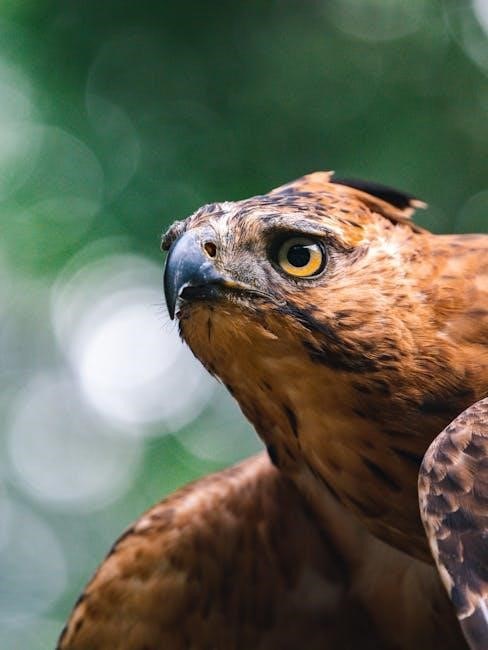
Careful attention to the chick’s needs – warmth, nutrition, and a calm environment – is essential for successful imprinting and a well-adjusted bird.
Weight Management and Conditioning
Maintaining optimal weight is paramount for a falcon’s performance and health, directly impacting its hunting ability and responsiveness during guiding sessions. This involves a carefully controlled diet and regular weighing, adjusting food intake based on activity levels and environmental factors.
Conditioning builds stamina and muscle strength through controlled exercise, such as creance flying – a tethered flight allowing gradual increases in distance and duration.
Consistent monitoring and adjustments are crucial, ensuring the falcon remains fit and motivated without being unduly stressed or underweight.
Recall Training – The Cornerstone of Control
Reliable recall is the foundation of safe and effective falcon guiding, ensuring the bird returns to the handler on command. This intensive training begins with short distances, utilizing positive reinforcement – typically food rewards – to establish a strong association between the cue and the desired behavior.
Gradually increasing distance and introducing distractions are vital steps. Consistency and patience are key, building a trustworthy bond and unwavering response.
A precise recall demonstrates control and prioritizes the falcon’s wellbeing during guiding experiences.
Legal Considerations and Licensing
Operating as a falcon guide necessitates strict adherence to both federal and state regulations, ensuring responsible and ethical practices. The U.S. Fish and Wildlife Service oversees falconry through federal laws, requiring permits for possessing and utilizing raptors.
State-specific licensing adds another layer, often involving rigorous testing on falconry knowledge, facility inspections, and proof of experience.
Commercial guiding operations demand additional permitting, demonstrating compliance with safety standards and conservation efforts, safeguarding both the birds and the public.
Federal Regulations Regarding Falconry
The U.S. Fish and Wildlife Service (USFWS) governs falconry under the Migratory Bird Treaty Act, establishing a permitting system for raptor possession and use. Obtaining a General Falconry Permit requires passing a written exam demonstrating comprehensive knowledge of raptor biology, hunting techniques, and legal obligations.
Detailed record-keeping of bird acquisition, training, and hunting activities is mandatory, ensuring accountability.
Interstate transport of falcons is heavily regulated, requiring specific permits and adherence to health protocols, protecting wild populations and preventing disease spread.
State-Specific Licensing Requirements
Beyond federal regulations, each state imposes its own falconry licensing requirements, often building upon the USFWS framework. These can include additional exams focusing on local raptor species and hunting regulations, as well as mandatory apprenticeship periods under experienced falconers.
Some states require facility inspections to ensure adequate housing and care for birds.
License fees vary considerably, and renewal processes differ, demanding diligent tracking by falconers. Commercial guiding operations frequently necessitate separate business licenses and insurance, adding complexity to legal compliance.
Permitting for Commercial Guiding Operations
Transitioning falconry from a personal pursuit to a commercial guiding operation introduces a new layer of permitting requirements. Beyond standard business licenses, operators typically need specific permits authorizing the use of raptors for educational or recreational purposes.
These permits often involve detailed operational plans, outlining safety protocols, falcon welfare standards, and client management procedures.
Regular inspections by wildlife agencies are common, ensuring adherence to permit conditions. Demonstrating financial responsibility and liability insurance is also crucial for approval.
The Role of the Falcon Guide
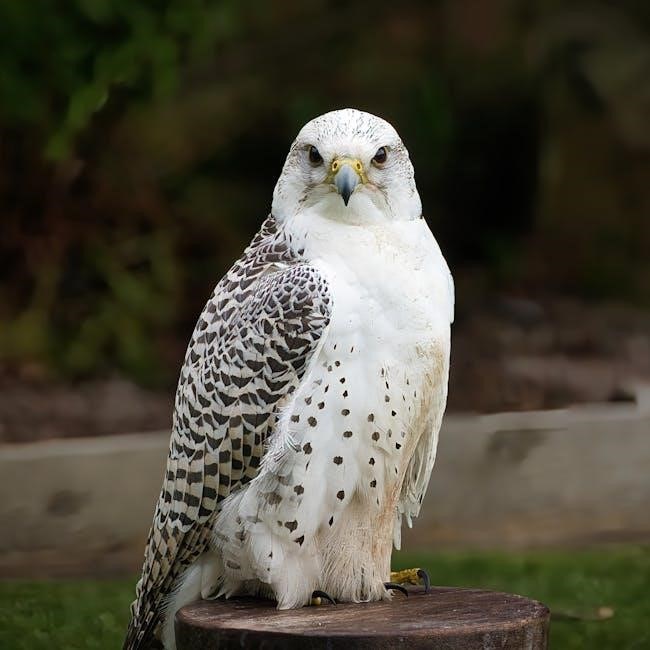
A falcon guide’s responsibilities extend far beyond simply showcasing a magnificent bird in flight. Paramount is client safety, achieved through thorough briefings and constant supervision during interactions with the falcon.
Equally important is educating clients about falconry’s history, the bird’s natural behaviors, and the principles of responsible raptor management.
Guides are also dedicated to the falcon’s wellbeing, meticulously monitoring its health, weight, and response to training, ensuring ethical and sustainable practices are always prioritized.
Client Safety and Education
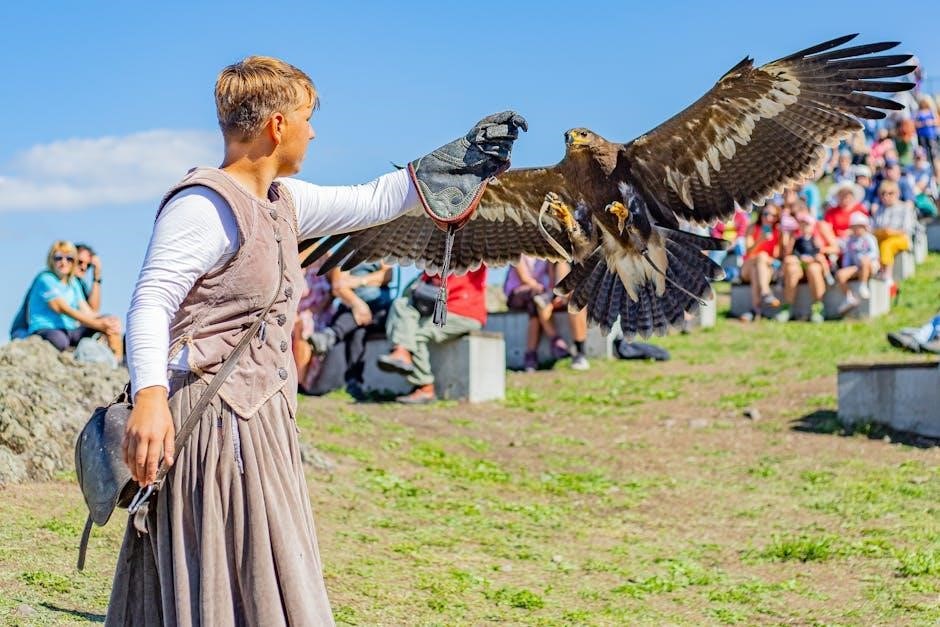
Prioritizing client safety is the cornerstone of responsible falcon guiding. Comprehensive pre-flight briefings are essential, covering proper handling techniques, safe distances, and potential hazards like striking a falcon or navigating uneven terrain.
Education is equally vital; guides must clearly explain falconry’s ethical considerations, the bird’s natural behaviors, and the importance of respecting its wild instincts.
Demonstrating proper glove use and emphasizing the falcon’s powerful talons are crucial for preventing injuries and fostering a respectful interaction.
Falcon Welfare and Monitoring
A falcon guide’s primary responsibility extends beyond client experience to encompass the bird’s well-being. Continuous monitoring of the falcon’s physical and mental state is paramount, observing for signs of stress, fatigue, or injury during guiding sessions.
Regular weight checks, meticulous feather condition assessments, and careful observation of flight patterns are crucial indicators of health.
Providing appropriate rest, shelter, and a balanced diet are non-negotiable, ensuring the falcon maintains optimal condition for both performance and a fulfilling life.
Ethical Considerations in Falcon Guiding
Responsible falcon guiding demands a strong ethical framework, prioritizing the falcon’s welfare above all else. Exploitation for entertainment is unacceptable; sessions should mimic natural hunting scenarios, respecting the bird’s inherent instincts.
Guides must avoid pushing falcons beyond their physical limits, ensuring adequate rest and avoiding stressful situations.
Transparency with clients regarding the falcon’s training, care, and limitations is essential, fostering appreciation and responsible interaction. Promoting conservation and educating about falconry’s role in biodiversity are key ethical obligations.
Falconry and Conservation Efforts
Modern falconry plays a surprisingly vital role in conservation, extending beyond simply a traditional practice. Reintroduction programs, utilizing captive-bred falcons, bolster dwindling wild populations, addressing habitat loss and environmental contaminants.
Falconers actively participate in monitoring wild falcon numbers and health, providing valuable data to researchers and conservation organizations.
By fostering a deep understanding and appreciation for these magnificent birds, falconry indirectly promotes biodiversity and advocates for habitat preservation, ensuring their survival for future generations.
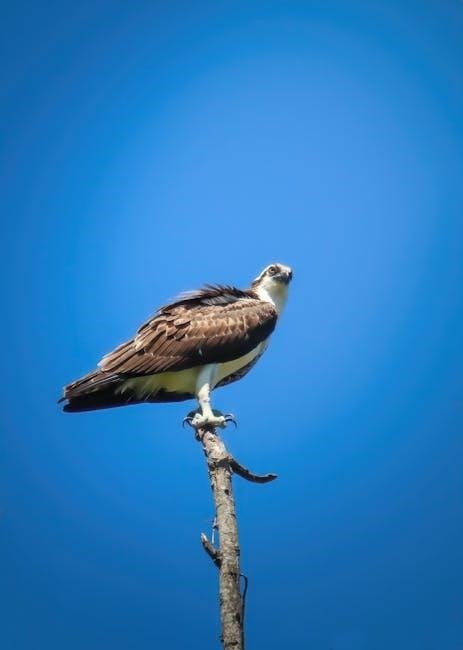
Reintroduction Programs
Successful falcon reintroduction hinges on meticulous planning and execution, often involving falconers directly. Captive-bred Peregrine Falcons, for example, have been reintroduced to eastern North America, dramatically increasing populations after near extinction due to DDT.
These programs require careful selection of release sites, pre-release conditioning to ensure hunting proficiency, and post-release monitoring via telemetry to track survival and breeding success.
Falconers contribute expertise in bird handling, health assessment, and behavioral observation, vital for maximizing the chances of a thriving reintroduced population.
Monitoring Wild Falcon Populations
Consistent monitoring is crucial for assessing the health and stability of wild falcon populations, informing conservation strategies. Falconers often participate in these efforts, leveraging their skills in raptor identification and observation.
Techniques include nest site surveys to track breeding pairs and productivity, banding programs to monitor movement and longevity, and analyzing feather samples for contaminant levels.
Data collected helps identify threats like habitat loss, pesticide exposure, and illegal persecution, enabling targeted interventions to protect these magnificent birds of prey.
The Impact of Falconry on Biodiversity
Historically, falconry played a role in maintaining balanced ecosystems by controlling prey populations. Modern, ethical falconry continues to contribute to biodiversity through conservation efforts and responsible land management.
Falconers often become stewards of the land, actively protecting habitats vital for both falcons and their prey species; Their knowledge of raptor ecology informs conservation practices.
By supporting healthy prey populations and advocating for habitat preservation, falconry indirectly benefits a wide range of species, fostering a more resilient and diverse ecosystem.
Choosing a Falcon Guiding Experience
Selecting a falcon guiding experience requires careful consideration to ensure a safe, ethical, and enriching encounter. Prioritize researching guides with demonstrable experience and a commitment to falcon welfare.
Investigate the guiding philosophy – does it emphasize education, conservation, or simply spectacle? Understanding their approach is crucial. Look for guides who prioritize client safety through thorough briefings and appropriate equipment.
Expect a session involving falcon handling, flying demonstrations, and insightful commentary on falconry’s history and ecological role. A reputable guide will foster respect for these magnificent birds.
Researching Reputable Guides
Thorough research is paramount when selecting a falcon guiding experience. Begin by seeking guides certified by recognized falconry organizations, verifying their credentials and adherence to ethical standards.
Online reviews and testimonials offer valuable insights into past client experiences, highlighting both strengths and potential concerns. Investigate the guide’s experience level, specifically their years dedicated to falconry and guiding.
Confirm their insurance coverage and safety protocols. A responsible guide will readily provide this information, demonstrating a commitment to client well-being and responsible falconry practices.
Understanding the Guiding Philosophy
Each falcon guide operates with a unique approach to the experience. Some prioritize a deeply educational focus, emphasizing the history of falconry and the bird’s natural behaviors.
Others lean towards a more immersive, hands-on interaction, allowing clients to actively participate in the falcon’s care and training. Determine if the guide’s philosophy aligns with your expectations and learning style.
Inquire about their views on falcon welfare and conservation; a reputable guide will demonstrate a strong commitment to ethical and sustainable practices, respecting the bird’s needs above all else.
What to Expect During a Falconry Session
A typical falconry session begins with a detailed briefing on safety protocols and falcon handling techniques. You’ll learn about the specific falcon you’ll be working with, its personality, and training history.
Expect opportunities to weigh the bird, practice calling it to the glove, and potentially participate in short flights. Sessions often involve walking across open terrain, allowing the falcon to hunt or practice its skills.
Be prepared for varying weather conditions and wear appropriate clothing. Remember, patience and respect for the falcon are key to a rewarding experience.
Potential Risks and Safety Precautions
Falconry, while rewarding, carries inherent risks. Falcon strikes, though rare, can occur during handling or flight, necessitating protective gauntlets and awareness. Handling injuries, like scratches from talons, are also possible, requiring proper technique.
Environmental hazards, including uneven terrain and weather changes, demand sturdy footwear and appropriate attire. Always heed the guide’s instructions and maintain a safe distance from the falcon when it’s unrestrained.
Emergency procedures, including first aid knowledge and communication protocols, should be understood before participating.
Falcon Strikes and Handling Injuries
Despite careful training, falcon strikes can occur, typically during the excitement of a hunt or unexpected movements. Protective gauntlets are crucial when handling a falcon, shielding hands and forearms from powerful talons. Even seemingly calm birds possess incredible strength.
Handling injuries, such as scratches or minor punctures, are possible, even with precautions. Proper technique, taught by experienced guides, minimizes risk. Immediate cleaning and disinfection of any wound are essential to prevent infection.
Awareness and respect for the falcon’s natural instincts are paramount.
Environmental Hazards
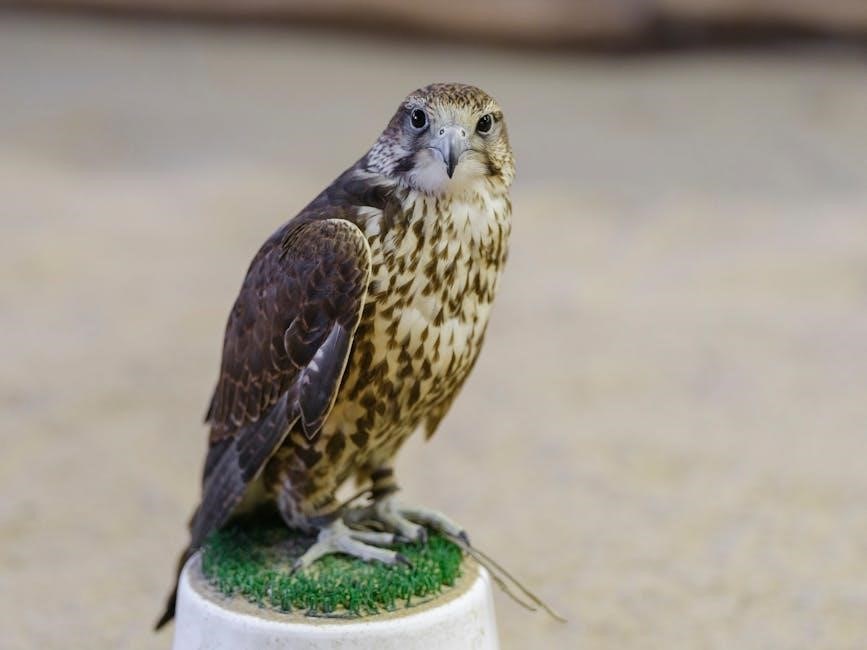
Falcon guiding often takes place in diverse terrains, presenting various environmental hazards. Extreme weather conditions – intense heat, cold, or sudden storms – can impact both falcon and participant well-being. Awareness of local wildlife, including potentially dangerous animals, is crucial for safety.
Uneven ground, steep slopes, and dense vegetation pose tripping hazards. Sun exposure and dehydration are concerns, necessitating adequate hydration and protective clothing. Guides must assess and mitigate these risks, adapting plans as needed.
Respecting the natural environment is paramount during these excursions.
Emergency Procedures
Robust emergency procedures are vital in falcon guiding, addressing potential falcon strikes or handling injuries to both birds and humans. Guides must carry comprehensive first-aid kits, including supplies for avian and human care, and be proficient in their use.
Communication protocols, including readily available contact information for veterinary services and emergency responders, are essential. Pre-planned evacuation routes and contingency plans for adverse weather are crucial.
Regular drills and scenario training enhance preparedness, ensuring swift and effective responses to unforeseen events.
The Future of Falcon Guiding
The future of falcon guiding hinges on embracing technological advancements, particularly in bird tracking via miniaturized GPS devices, enhancing monitoring and safety. Growing eco-tourism interest fuels demand for authentic, sustainable experiences.
Sustainable falconry practices, prioritizing bird welfare and conservation, will become increasingly important. Expect innovations in training methodologies, focusing on positive reinforcement and minimizing stress.
Digital platforms will connect guides with clients, promoting responsible tourism and expanding access to this ancient art.
Technological Advancements in Tracking
Miniaturized GPS tracking devices are revolutionizing falcon guiding, offering real-time location data and enhancing flight monitoring capabilities. This technology allows guides to precisely track birds during hunts, ensuring their safety and optimizing training sessions.
Biometric sensors, integrated into tracking systems, can monitor a falcon’s heart rate and stress levels, providing valuable insights into its well-being. Data analysis helps refine training regimes and identify potential health concerns proactively.
Remote monitoring systems enable guides to observe falcon behavior from a distance, minimizing disturbance.
Growing Interest in Eco-Tourism
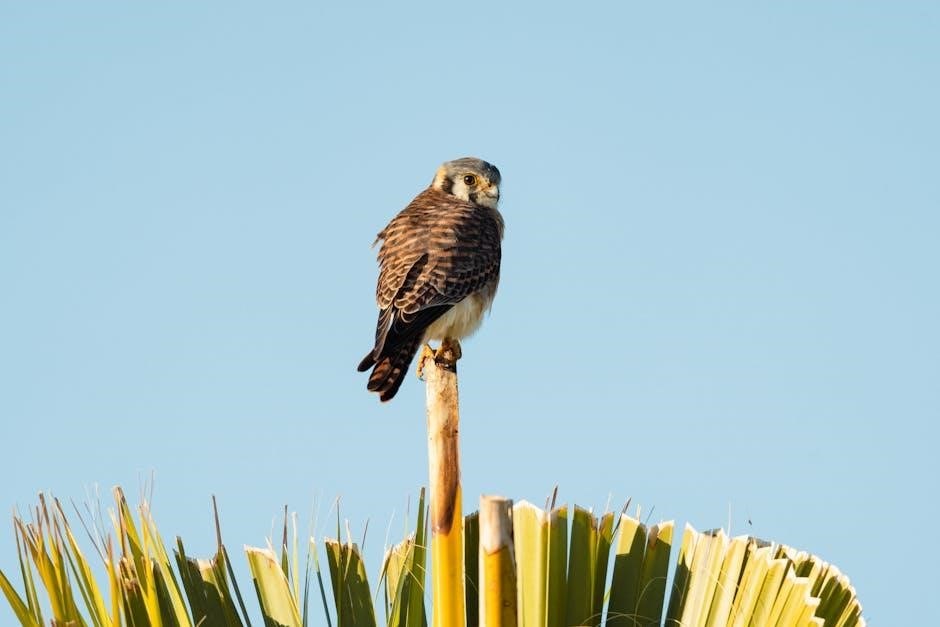
The surge in eco-tourism fuels demand for authentic, nature-based experiences, positioning falcon guiding as a highly sought-after activity; Travelers increasingly prioritize sustainable and responsible travel options, aligning perfectly with the conservation-focused ethos of modern falconry.
Falconry experiences offer a unique connection to the natural world, attracting individuals seeking immersive encounters with wildlife. This growing interest supports local economies and incentivizes habitat preservation.
Responsible guiding practices emphasize minimal environmental impact and promote appreciation for avian biodiversity.
Sustainable Falconry Practices
Embracing sustainability is crucial for the long-term viability of falcon guiding. This involves meticulous falcon welfare, prioritizing natural foraging opportunities whenever possible and minimizing reliance on artificial means.
Ethical sourcing of falconry equipment and responsible waste management are also key components. Guides actively participate in habitat conservation efforts, supporting local biodiversity initiatives.
Promoting education about falconry’s role in conservation and responsible birding practices ensures a continued appreciation for these magnificent birds and their ecosystems.