
Manual handling encompasses any transport or support of loads by one or more people, including lifting, lowering, pushing, pulling, and carrying.
Effective principles minimize risks, addressing factors like load weight, posture, and repetitive motions, crucial for worker wellbeing and regulatory compliance.
Risk assessments identify hazards – such as unsafe heights – and implement controls, like handling aids, to prevent or reduce manual handling strain.
Despite mechanization, manual material handling stressors persist, highlighting the ongoing need for robust principles and proactive safety measures in workplaces.
What is Manual Handling?
Manual handling, fundamentally, involves the use of the human body to lift, lower, push, pull, carry, or otherwise move loads. This definition encompasses a broad spectrum of workplace activities, impacting numerous industries and roles. It’s not simply about heavy lifting; even seemingly light tasks, repeated frequently or performed in awkward postures, can pose significant risks.
Crucially, effective manual handling relies on adhering to core principles. These aren’t merely guidelines, but essential components of a safe system of work. A comprehensive risk assessment is the first step, identifying potential hazards like unsafe heights or repetitive motions. Following this, appropriate control measures – such as utilizing handling aids – are implemented to mitigate those risks.
Despite advancements in mechanization, manual handling remains prevalent. Therefore, understanding and applying these principles is vital for protecting the welfare of the workforce and ensuring compliance with health and safety regulations. Ignoring these principles can lead to musculoskeletal disorders and significant workplace injuries.
Why are Manual Handling Principles Important?
Manual handling principles are paramount because they directly address a significant source of workplace injuries – musculoskeletal disorders (MSDs). These injuries, often resulting from repetitive strain or improper technique, can lead to chronic pain, disability, and substantial economic costs.
Adhering to these principles isn’t just about preventing injury; it’s about fostering a safer, more productive work environment. A proactive approach, beginning with a thorough risk assessment, allows organizations to identify hazards and implement effective control measures, like providing handling aids.
Furthermore, compliance with health and safety regulations, such as the Health and Safety at Work Act, is essential. Even with increasing mechanization, manual handling remains common, making these principles vital for protecting employees and avoiding legal repercussions.
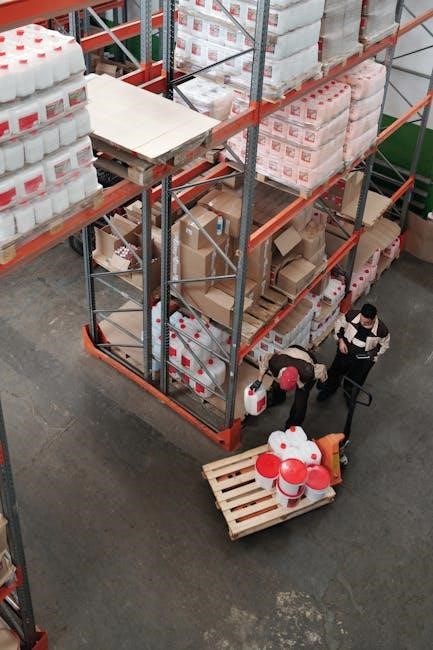
The Four Principles of Manual Handling
Core principles include planning lifts, maintaining a straight back, utilizing leg strength, and ensuring a firm grip—vital for minimizing strain and preventing injuries.
Principle 1: Plan the Lift
Prior planning is paramount before any manual handling task. A thorough risk assessment identifies potential hazards, such as handling loads at unsafe heights, and dictates appropriate control measures.
Understanding the load’s characteristics – its weight, shape, and center of gravity – is crucial. Consider if mechanical aids are necessary to avoid strain. Simultaneously, meticulously plan the route, ensuring a clear path free from obstructions.
Visualize the destination and confirm it’s suitable for safely placing the load. This proactive approach minimizes awkward movements and reduces the risk of musculoskeletal disorders. Effective planning transforms a potentially hazardous task into a controlled and safe operation.
Risk Assessment Before Lifting
A comprehensive risk assessment is the foundational step in safe manual handling. It involves identifying potential hazards – like unstable loads or confined spaces – that could lead to injury. This assessment determines the level of risk associated with each task.
Crucially, it necessitates evaluating factors such as load weight, carrying distance, and the presence of awkward postures. The goal is to identify specific risk factors, such as handling at unsafe heights, and implement appropriate control measures.
These measures might include utilizing handling aids or modifying the task to reduce strain, ensuring a safer working environment for all personnel involved.
Understanding the Load’s Characteristics
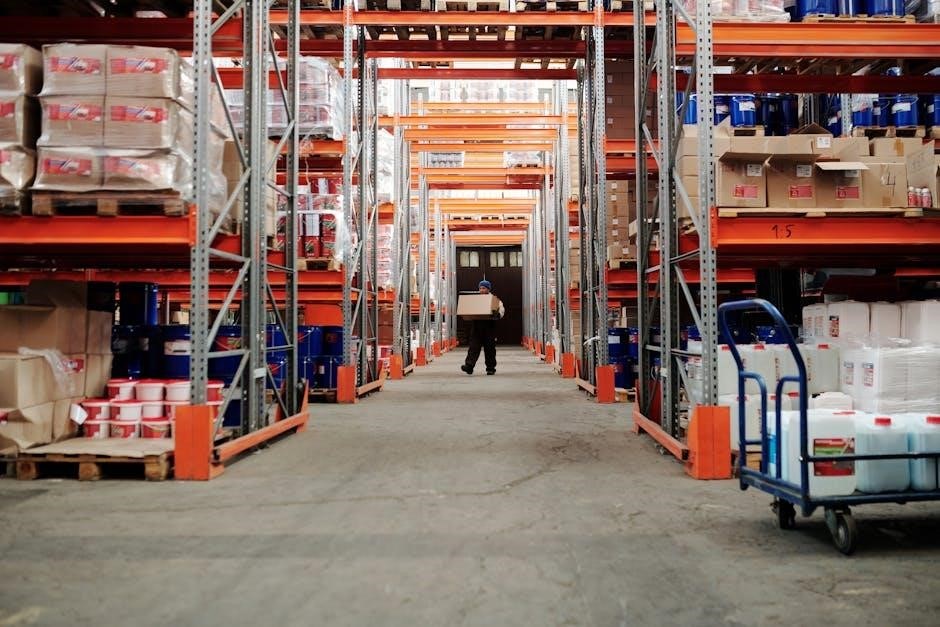
Before any lift, thoroughly assess the load itself. Determine its weight – is it excessively heavy for a single person? Evaluate its size and shape; is it bulky or unwieldy, potentially obstructing vision or balance? Consider the load’s center of gravity; an unevenly distributed weight increases instability.
Assess whether the load is stable and securely packaged. Are there any fragile components requiring extra care? Understanding these characteristics informs the lifting technique and the need for assistance or mechanical aids.
Proper assessment minimizes the risk of drops, strains, and other injuries during the manual handling process.
Planning the Route and Destination
Prior to lifting, meticulously plan the entire journey – from the starting point to the final destination. Ensure the path is clear of obstacles like clutter, spills, or uneven surfaces that could cause trips or stumbles. Identify any potential hazards along the route, such as doorways, stairs, or tight corners.
Confirm the destination is prepared to receive the load safely. Is there sufficient space? Are surfaces stable and capable of supporting the weight? A well-planned route minimizes unnecessary movement and reduces the risk of accidents during manual handling.
Principle 2: Maintain a Straight Back
Preserving proper spinal alignment is paramount during manual handling. Avoid rounding or hunching the back, as this significantly increases the strain on spinal discs and muscles. Maintaining a neutral spine distributes the load more effectively, reducing the risk of injury.
Crucially, resist twisting at the waist while lifting or carrying. Instead, move your feet to change direction. Bending should occur at the knees and hips, not the back. Keeping the load close to the body minimizes leverage and further protects the spine from excessive stress.
Importance of Spinal Alignment
Spinal alignment is fundamental to safe manual handling, acting as the cornerstone of injury prevention. A neutral spine maintains the natural ‘S’ curve, distributing weight evenly across the vertebral column and supporting muscles. Deviations from this alignment – such as rounding or arching – concentrate stress on specific areas, increasing vulnerability.
Proper alignment minimizes the load on spinal discs, ligaments, and muscles, reducing the risk of strains, sprains, and more serious long-term injuries. Maintaining this posture requires conscious effort and awareness, especially when dealing with awkward or heavy loads. It’s a key element in applying the broader principles effectively.
Avoiding Twisting and Bending
Twisting and bending significantly elevate the risk of manual handling injuries, placing undue stress on the spine and surrounding tissues. These movements disrupt natural spinal alignment, increasing the load on discs and muscles. Rotating the torso while lifting or carrying multiplies the force, making injuries more likely.
To mitigate these risks, prioritize keeping the load close to the body and moving the feet to change direction, rather than twisting the torso. Bending at the knees, rather than the waist, maintains a neutral spine and engages stronger leg muscles. Avoiding these movements is a core principle for safe lifting.
Keeping the Load Close to the Body
Maintaining a close proximity between the load and the body is a fundamental principle of safe manual handling. This simple adjustment dramatically reduces the strain on the back and improves stability during lifting and carrying. When a load is held further away, the leverage increases, forcing the back muscles to work harder to counteract the imbalance.
By keeping the load close, the body’s center of gravity remains aligned, minimizing stress on the spine. This technique also enhances control and reduces the risk of losing balance. It’s a crucial element in risk assessments, directly impacting control measures and worker safety.
Principle 3: Use Your Legs, Not Your Back
Prioritizing leg strength over back strength is paramount in safe manual handling. The legs are designed for powerful movements and can handle significantly more weight than the back. Relying on the back muscles increases the risk of strains, sprains, and long-term injuries.
This principle involves a controlled descent and ascent, utilizing the leg muscles to generate the lifting force. Engaging core muscles simultaneously provides stability and supports the spine. Proper technique, like squatting, ensures the load remains balanced and minimizes stress on vulnerable areas; It’s a core component of effective risk control.
Engaging Core Muscles
Core muscle engagement is fundamental to safe manual handling, acting as a natural stabilizer for the spine during lifting and movement; These muscles – encompassing abdominals, obliques, and lower back muscles – create a rigid torso, minimizing strain and preventing unwanted twisting or bending.
A strong core supports proper posture and distributes the load’s weight more effectively, reducing the burden on the back. Activating these muscles before initiating a lift prepares the body, enhancing stability and control. This principle directly contributes to reducing risk and preventing injuries associated with awkward postures or heavy loads.
Proper Lifting Technique – Squatting
Squatting is the cornerstone of safe lifting, prioritizing leg strength over back strain. This technique involves bending at the knees and hips, keeping the back straight, and lowering the body as if sitting down. Maintaining a straight back throughout the movement is crucial, avoiding any rounding or twisting.
By utilizing the legs to generate power, the load is lifted with significantly reduced stress on the spine. This method ensures a more controlled and stable lift, minimizing the risk of injury. Effective squatting, combined with core engagement, forms a foundational element of responsible manual handling practices, protecting workers from harm.
Generating Power from the Legs
Leg strength is paramount in safe manual handling, acting as the primary engine for lifting. Shifting the focus from the back to the legs dramatically reduces spinal stress and injury risk. This involves a coordinated effort, initiating the lift with a powerful extension of the leg muscles, while maintaining a straight back and engaged core.
Proper technique ensures the load is lifted smoothly and efficiently, minimizing strain on the body. By harnessing the legs’ natural power, individuals can handle heavier loads with greater ease and safety. This principle is fundamental to risk reduction and promoting a healthier, more sustainable work environment.
Principle 4: Get a Firm Grip
A secure hold is absolutely critical during any manual handling task, forming the foundation of control and stability. Without a firm grip, the load can shift unexpectedly, leading to muscle strains, sprains, or even more serious injuries. Assessing both grip strength and the load’s weight is essential before initiating any lift or movement.
Utilizing appropriate gloves can significantly enhance grip, providing added friction and protection. This principle isn’t merely about physical strength; it’s about establishing a confident connection with the load, ensuring it remains manageable throughout the entire process. A compromised grip directly increases the risk of accidents.
Importance of a Secure Hold
A secure hold isn’t simply about preventing a dropped load; it’s fundamentally about maintaining control and minimizing the risk of musculoskeletal disorders. A compromised grip forces the body to compensate, often leading to awkward postures and increased strain on the back and limbs. This principle directly correlates with the overall risk assessment of the task.
Establishing a firm grasp ensures the load’s weight is distributed effectively, reducing localized pressure and maximizing stability. It’s a proactive measure, preventing potential hazards before they escalate. A confident grip empowers the lifter, fostering a sense of control and reducing the likelihood of sudden, uncontrolled movements that can cause injury.
Using Appropriate Gloves
Appropriate gloves significantly enhance grip strength and protect hands from abrasions, cuts, and temperature extremes, directly supporting the principle of a firm hold. Selecting the correct glove type – considering material, texture, and size – is crucial for maximizing effectiveness. Gloves shouldn’t hinder dexterity or create new hazards, like reduced tactile feedback.
Beyond grip, gloves contribute to overall safety by reducing the risk of slips and providing a barrier against contaminants. They are particularly vital when handling loads with irregular shapes or slippery surfaces. Proper glove selection is a key control measure, complementing broader manual handling risk reduction strategies and promoting worker wellbeing.
Assessing Grip Strength and Load Weight
Evaluating grip strength relative to the load’s weight is paramount to the ‘get a firm grip’ principle, preventing drops and potential injuries. Individuals should only attempt to lift loads they can securely hold and control throughout the entire movement. A thorough risk assessment should consider individual capabilities and the load’s characteristics.
If a load feels too heavy or unwieldy, assistance or mechanical aids must be utilized. Ignoring this assessment can lead to muscle strains, sprains, or more severe musculoskeletal disorders. Prioritizing safe handling through careful evaluation demonstrates a commitment to worker safety and adherence to manual handling regulations.
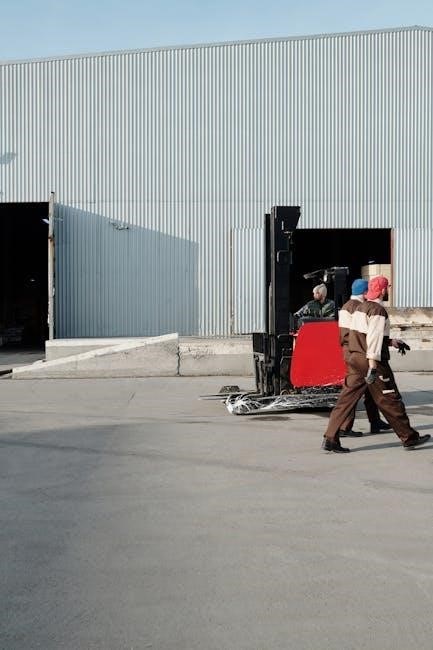
Risk Factors in Manual Handling
Heavy loads, repetitive motions, awkward postures, and long carries elevate injury risk; proper planning, technique, and aids mitigate these hazards effectively.
Heavy or Bulky Loads
Heavy or bulky loads significantly increase the strain on the body during manual handling tasks, demanding strict adherence to core principles. Planning the lift becomes paramount – a thorough risk assessment identifies potential hazards, and the load’s characteristics are understood before attempting movement.
Maintaining a straight back is crucial; avoid twisting and bending, keeping the load close to the body to minimize stress. Utilizing legs, not the back, generates power from the core and legs, employing proper squatting technique. A firm grip ensures a secure hold, potentially aided by appropriate gloves, assessing grip strength relative to the load’s weight.
These principles, when consistently applied, drastically reduce the risk of musculoskeletal disorders associated with challenging loads, promoting a safer working environment and preventing injuries.
Repetitive Movements
Repetitive movements in manual handling amplify the risk of cumulative strain injuries, necessitating diligent application of fundamental principles. Planning the lift is even more critical; assess the entire task cycle to identify opportunities for variation or reduction in repetition.
Maintaining a straight back throughout repeated actions minimizes spinal stress, while utilizing legs, not the back distributes the workload more effectively. A firm grip, consistently maintained, prevents slippage and reduces the need for excessive force during each repetition;
Implementing these principles, alongside job rotation and rest breaks, mitigates the harmful effects of repetitive strain, safeguarding worker health and productivity.
Awkward Postures
Awkward postures significantly elevate manual handling risks, demanding strict adherence to core principles. Thorough planning is paramount; evaluate the task to minimize reaching, twisting, and bending before initiating any lift or movement. Maintaining a straight back is crucial, preventing undue stress on the spine when working in constrained spaces.
Employing legs, not the back generates power from a stable base, reducing strain caused by contorted positions. A firm grip ensures control and minimizes the need to compensate with awkward body mechanics.
Prioritizing ergonomic assessments and workstation adjustments further reduces postural stress, fostering a safer working environment.
Long Distances Carried
Carrying loads over long distances dramatically increases fatigue and the potential for injury, necessitating strict application of manual handling principles. Prior planning is essential; break down the task into smaller segments with frequent rest periods to mitigate strain. Maintaining a straight back throughout the carry prevents spinal overload, even as endurance diminishes.
Utilizing legs, not the back, provides sustained power, but requires careful pacing. A firm grip is vital for maintaining control, especially when balance is challenged by distance and load weight.
Consider mechanical aids to reduce carrying distances whenever feasible, prioritizing worker safety and minimizing risk.

Control Measures for Manual Handling Risks
Effective controls include mechanical aids, reduced load weights, improved workstation design, and comprehensive training – all supporting safe handling practices.

Mechanical Aids – Using Equipment
Implementing mechanical aids is a cornerstone of reducing manual handling risks, directly supporting the principles of safe lifting and movement. Utilizing appropriate equipment minimizes physical strain and enhances worker safety.
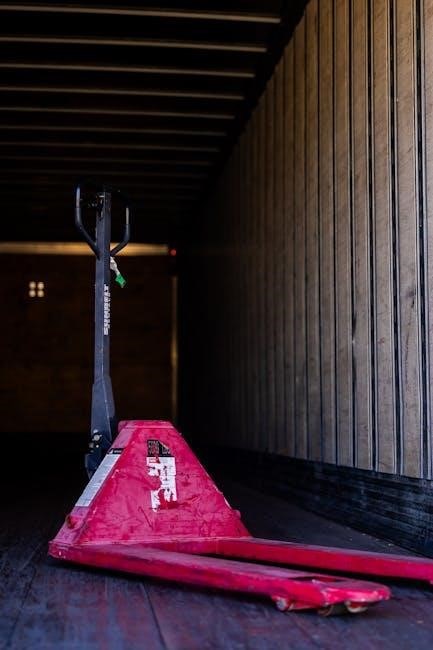
Lifting equipment options are diverse, ranging from simple hand trucks and pallet jacks to sophisticated hoists and cranes, each suited to different load types and environments. These tools assist in adhering to the principle of planning the lift, reducing awkward postures.
Pushing and pulling aids, such as trolley systems, can significantly decrease the force required to move heavy loads, aligning with the principle of using legs, not the back. They also help maintain a straight back and minimize twisting, crucial for spinal health.
Selecting the right equipment ensures a firm grip isn’t compromised by excessive weight, supporting the final principle. Proper equipment use, combined with training, creates a safer and more efficient work environment.
Lifting Equipment Options
Diverse lifting equipment directly supports the four manual handling principles, minimizing risk and maximizing safety. Choices range from basic hand trucks for short distances to complex cranes for heavier, higher lifts.
Pallet jacks and forklifts aid in moving palletized goods, reducing the need for manual lifting and aligning with the ‘use your legs’ principle. They facilitate planned routes and stable load handling, supporting the ‘plan the lift’ principle.
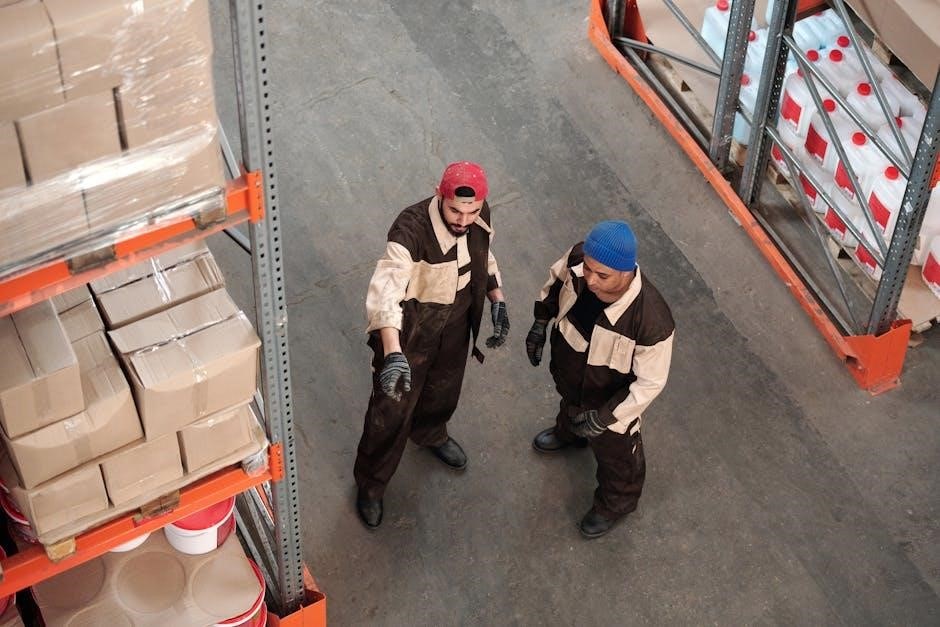
Hoists and winches are ideal for vertical lifting, reducing strain and promoting a straight back, crucial for spinal alignment. They allow for controlled movements, minimizing awkward postures and twisting.
Vacuum lifters provide a secure grip, supporting the ‘firm grip’ principle, especially for large or irregularly shaped items. Selecting the correct equipment is vital for effective risk reduction and worker wellbeing.
Pushing and Pulling Aids
Pushing and pulling aids significantly reduce the physical demands associated with moving loads, directly supporting all four manual handling principles. These tools minimize strain and promote safer working practices.
Hand trucks and trolleys facilitate controlled movement, enabling a planned route and reducing the need for lifting – aligning with ‘plan the lift’ and ‘use your legs’. Maintaining a straight back is easier when pushing or pulling, supporting spinal alignment.
Powered pushers and pullers further reduce effort, especially for heavy loads, minimizing the risk of injury. A firm grip is still essential, but the reduced force needed enhances control.
Appropriate handle design is crucial; ergonomic handles promote a secure hold and reduce awkward postures, contributing to overall safety and adherence to best practices.
Reducing Load Weight and Size
Minimizing load weight and size is a fundamental control measure directly impacting all four manual handling principles. Lighter, smaller loads inherently reduce the risk of injury and make tasks significantly easier to manage safely.
Planning the lift becomes simpler with manageable loads, allowing for a clearer risk assessment and route planning. Maintaining a straight back is easier when the load isn’t excessively bulky or heavy, promoting proper spinal alignment.
Using legs, not the back, is more effective with reduced weight, enabling proper squatting technique and power generation. A firm grip is also easier to achieve and maintain with a lighter, more appropriately sized load.
Breaking down larger loads into smaller, more manageable units is a practical application, enhancing safety and efficiency across all manual handling operations.
Improving Workstation Design
Optimizing workstation design directly supports the four manual handling principles, creating a safer and more efficient work environment. Adjusting work surface heights minimizes bending and twisting, crucial for maintaining a straight back during lifting and lowering.
Strategic placement of materials reduces carrying distances, lessening strain and fatigue. A well-planned layout facilitates a clear route for lifting, supporting the ‘plan the lift’ principle and reducing awkward postures.
Providing adequate space allows workers to maintain a firm grip and use their legs effectively, promoting proper lifting technique. Ergonomic design minimizes repetitive movements, reducing the risk of musculoskeletal disorders.
Thoughtful workstation design isn’t merely about comfort; it’s a proactive control measure enhancing adherence to all core manual handling principles.
Training and Education
Comprehensive training is paramount for embedding the four manual handling principles into everyday work practices. Employees must understand how to plan lifts, assessing risks and load characteristics before commencing any task.
Education reinforces the importance of maintaining a straight back, avoiding twisting, and utilizing leg power – not the back – during lifting. Practical demonstrations and supervised practice are essential for skill development.
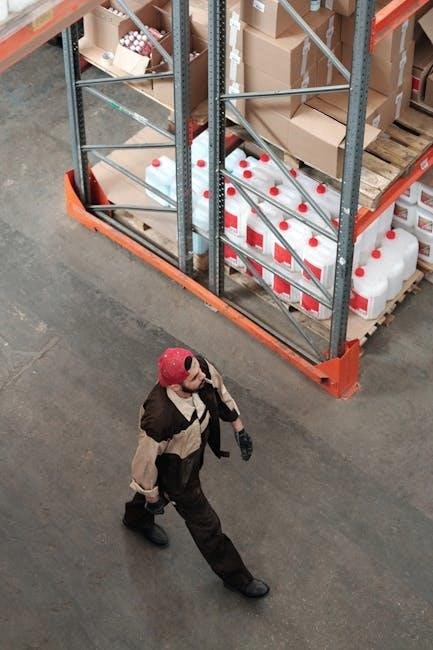
Training should emphasize achieving a firm grip, selecting appropriate gloves, and recognizing limitations in grip strength. Understanding legal requirements and regulations further promotes a safety-conscious culture.
Effective training empowers workers to identify hazards, implement control measures, and contribute to a safer, more ergonomic workplace, directly supporting all four principles.
Legal Requirements and Regulations
Regulations, like the Health and Safety at Work Act, mandate risk assessments and control measures for manual handling tasks, prioritizing worker safety.
Compliance ensures employers address hazards, implement training, and adhere to principles of safe lifting, reducing musculoskeletal disorders effectively.
Health and Safety at Work Act
The Health and Safety at Work Act 1974 forms the cornerstone of UK workplace safety legislation, placing a general duty on employers to ensure the health, safety, and welfare of their employees – and others affected by their activities.
Regarding manual handling, this translates to a legal obligation to conduct thorough risk assessments, identifying potential hazards associated with tasks involving lifting, carrying, pushing, or pulling.
Employers must then implement appropriate control measures to mitigate these risks, prioritizing the application of the four key principles: plan the lift, maintain a straight back, use your legs, and get a firm grip.
Failure to comply with the Act can result in enforcement notices, prosecutions, and significant financial penalties, underscoring the importance of proactive safety management and adherence to established best practices.
The Act emphasizes a preventative approach, encouraging employers to eliminate risks wherever reasonably practicable, and to provide adequate information, instruction, and training to employees.
Manual Handling Operations Regulations
The Manual Handling Operations Regulations 1992 build upon the Health and Safety at Work Act, providing specific guidance on managing risks associated with manual handling tasks.
These regulations legally require employers to avoid, so far as reasonably practicable, the need for manual handling. When it is unavoidable, a detailed risk assessment must be conducted, focusing on factors like load weight, frequency, and posture.
Crucially, the regulations emphasize the application of the four core principles: plan the lift, maintain a straight back, utilize leg power, and ensure a secure grip.
Employers are obligated to provide employees with comprehensive training on safe manual handling techniques, covering these principles and relevant risk control measures.
Compliance with these regulations is essential to protect workers from musculoskeletal disorders and ensure a safe working environment, avoiding potential legal repercussions.

Future Trends in Manual Handling
Automation and ergonomic design will increasingly minimize reliance on traditional manual handling, though the four principles – plan, back, legs, grip – remain vital.
Automation and Robotics
The integration of automation and robotics represents a significant shift in manual handling practices, aiming to reduce the physical demands placed on workers. While these technologies advance, the foundational four principles of safe handling remain critically important, even when overseeing automated systems.
Planning the lift – or robotic task – requires careful risk assessment, understanding load characteristics, and route planning. Maintaining a straight back translates to ensuring robotic arms operate within safe ergonomic ranges. Utilizing legs, not the back, finds its parallel in designing robotic systems that distribute weight and force effectively. Finally, a firm grip is mirrored in secure robotic end-effector designs.
These principles aren’t obsolete; they inform the design, implementation, and oversight of automated solutions, ensuring a continued focus on worker safety and minimizing residual risks.
Ergonomic Design Improvements
Ergonomic design improvements directly support and reinforce the four core principles of manual handling, aiming to create safer and more efficient work environments. Applying these principles proactively minimizes strain and injury risks.
Planning the lift is aided by workstation layouts that optimize reach and minimize awkward postures; Maintaining a straight back is encouraged through adjustable workstations and tool positioning. Utilizing legs, not the back is supported by designs that allow for proper squatting and lifting stances. A firm grip is facilitated by tool handles designed for comfort and secure holding.
These improvements aren’t merely about comfort; they’re integral to reducing the physical stressors associated with manual tasks, even as technology evolves.